

Mastering the Transition: Things We Wish We Knew When We First Started
An engaging conversation exploring the transition from early-career researcher to independent scientist and academic leader. Discover practical insights on research independence, mentorship, leadership, funding, collaborations, and navigating the challenges of an evolving academic career. Join experienced researchers as they share valuable lessons, personal experiences, and advice they wish they had known when they first started.
MEET THE MODERATOR:
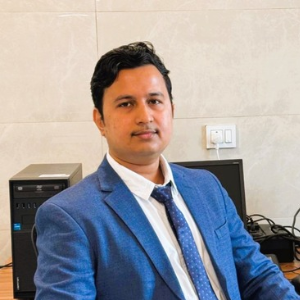
Dr. Sanjay Mishra is a medical educator and researcher with expertise in Human Anatomy, Developmental biology, and Reproductive health. His research interests include fetal morphometry, prenatal diagnosis, reproductive biology, and genetic counseling. He is actively involved in teaching, research, academic training, and advancing evidence-based healthcare through interdisciplinary collaboration.
MEET THE SPEAKERS:
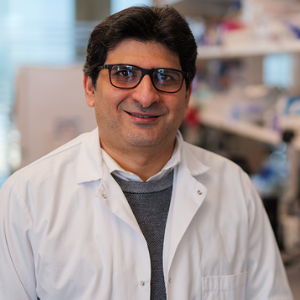
Ahmed Balboula — University of Missouri
Dr. Balboula is currently an Associate Professor of reproductive Biology at the University of Missouri. Research in the Balboula laboratory is currently funded by grants from the NIGMS, NICHD and USDA and employs cutting-edge imaging technologies, transgenic mouse models and optogenetic approaches to understand the molecular mechanisms regulating mammalian oocyte meiosis. Dr. Balboula has received several research honors, including the Provost’s Outstanding Junior Faculty Research and Creative Activity Award and the SSR Virendra B. Mahesh New Investigator Award.
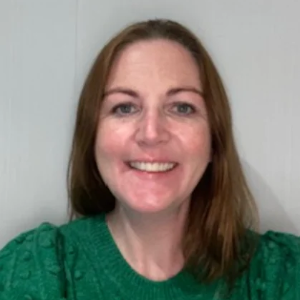
Niamh Forde — University of Edinburgh
Niamh is Professor and Chair of Molecular Reproductive Biosciences, at the University of Edinburgh as well as Deputy Director of the Centre for Reproductive Health. Her group is focused on understanding the function of the uterine endometrium and what regulates early pregnancy and life course health in mammals.
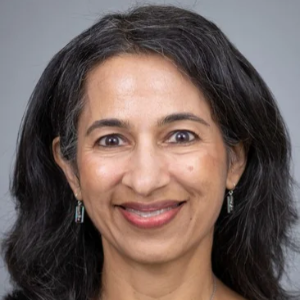
Mala Mahendroo — University of Texas Southwestern
Mala Mahendroo is the Arthur Grollman Professor of Obstetrics and Gynaecology and a member of the Green Centre for Reproductive Biology Sciences at UT Southwestern Medical Centre. Her research focuses on the molecular events that drive cervical remodeling in preparation for parturition and postpartum repair and the molecular mechanisms by which the cervical epithelia provide an immune and physical barrier throughout pregnancy. Her lab uses this understanding to define dysregulated pathways that drive cervical dysfunction mediated premature birth.
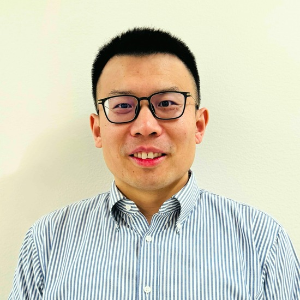
Fei Zhao — University of Wisconsin–Madison
Dr. Zhao is an Associate Professor in the Department of Comparative Biosciences at the University of Wisconsin–Madison. His laboratory investigates the cellular and molecular mechanisms driving male and female reproductive tract development, a process vital for establishing lifelong fertility.