

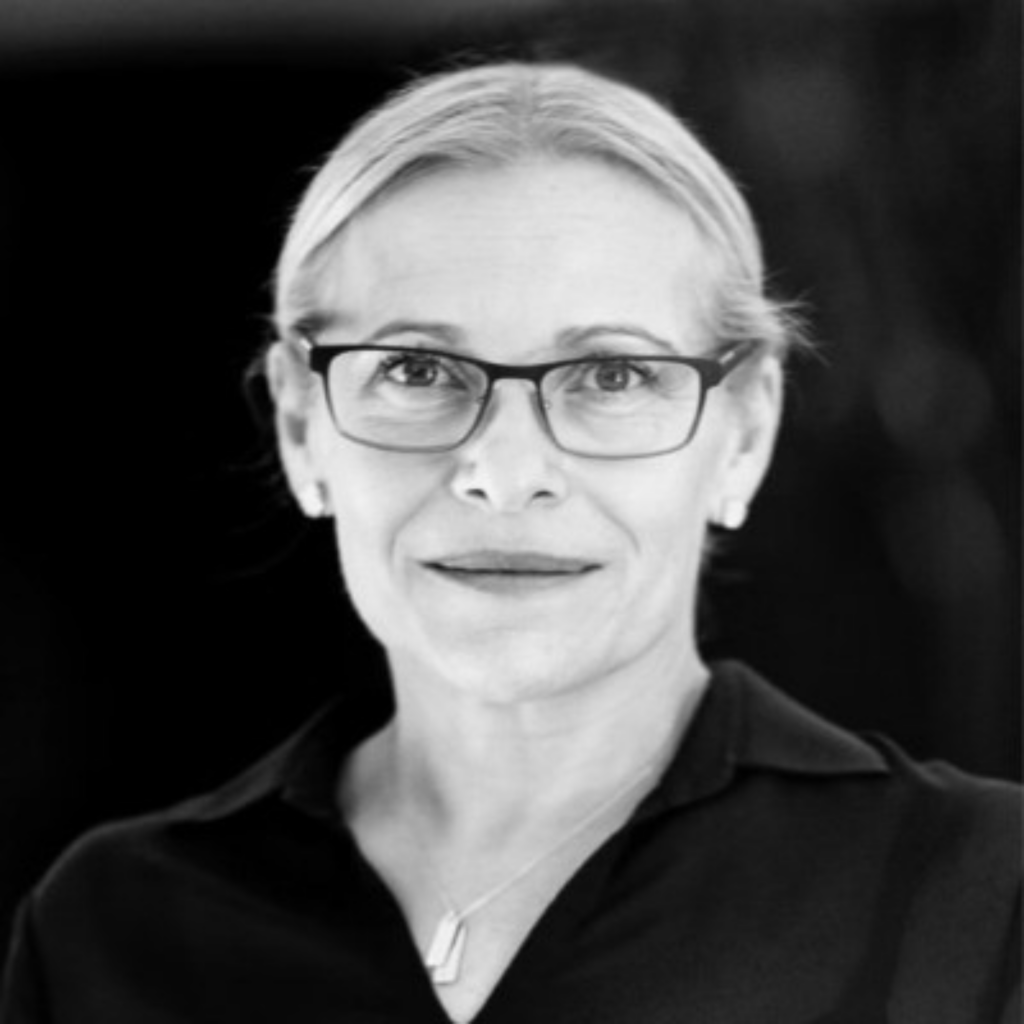
Meet Dr. Mandy Katz-Jaffe
Written by Dr. Rachel C West (member of the SSR Community and Engagement Committee) for National Infertility Awareness Week.
April 23–29 is the National Infertility Awareness Week.
The SSR Community and Engagement Committee is participating in this celebration. For this, Dr. Rachel C West (member of the SSR Community and Engagement Committee) interviewed Dr. Mandy Katz-Jaffe, Fertility Scientific and Genetics Director at the Colorado Center for Reproductive Medicine, USA.
RW: What is your current position, and what does it entail?
MKJ: I am a Reproductive Geneticist by training, and my current position is the Scientific and Genetics Director at CCRM Fertility. Some aspects of my position are to:
•Lead research programs focused on the genetic and molecular causes of human infertility, including advanced reproductive age, implantation failure and pregnancy loss.
•Direct the CCRM Genetics laboratory, performing preimplantation genetic testing (PGT) and other genetic assays used in IVF treatment.
•Help translate new discoveries—such as PGT-A —into clinical protocols that improve reproductive outcomes for infertility patients.
RW: Can you talk a little bit about yourself, where are you from? What first attracted you to the world of assisted reproductive technologies? And how did you get to be in your current position?
MKJ: I am originally from Australia. I completed a Bachelor of Science in Genetics at the University of Melbourne, followed by a Master of Science in Reproductive Biology and a PhD in Reproductive Genetics at Monash University in Melbourne.
My interest in genetics started as a junior in high school, when an inspirational biology teacher introduced concepts like Mendelian inheritance, DNA mutations, and human genetic disease; that was when I realized I wanted to be a geneticist. During my undergraduate studies, I worked with families who had children affected by genetic disorders, which led me to ask:
What if we could prevent inherited genetic diseases from being passed on to the next generation?
What if we could give at-risk families babies free of their inherited condition so they could live their lives to the fullest potential?
Those questions drew me into reproductive medicine and ART, and I pursued a PhD in Reproductive Genetics specifically to work at this intersection.
In 2004, after completing my doctorate, I moved from Australia to the United States to join CCRM. At CCRM I helped develop and then lead the reproductive genetics research and PGT programs, ultimately becoming Scientific and Genetics Director. What I enjoy most is that reproductive genetics allows us to help couples at risk for genetic disease or struggling with infertility to have healthy children—being part of giving someone “the gift of family” is a profound privilege.
RW: How have technologies like preimplantation genetic testing changed the field in recent years?
MKJ: PGT has transformed embryo selection in IVF from a primarily morphology-based selection process into a genetically informed, more precise and often more efficient method, while also enabling hereditary disease prevention for families that are burdened by single gene disease.
PGT for aneuploidy allows assessment of all 23 pairs of chromosomes in blastocyst-stage embryos, helping identify euploid (chromosomally normal) embryos for transfer. It is well established in human reproduction that chromosomally aneuploid embryos/fetuses lead to reproductive failure and are the main cause of spontaneous pregnancy loss. Our prospective clinical study has shown that PGT-A for embryo selection from the very first REI consult results in higher implantation, lower miscarriage and overall, more patients achieving live birth from their first embryo transfer.
RW: What are the biggest unanswered questions in infertility research today?
MKJ: As a reproductive aging population, we need better ways to preserve ovarian reserve and comprehend implantation biology, to both prevent and treat infertility. Improve sperm quality for long-term offspring health and protect fertility from factors like chemotherapy and environmental exposures. We also need to focus on equity care and ethical considerations associated with fertility.
RW: What words of inspiration would you like to share with the future generation of scientists, especially those interested in infertility research?
MKJ: Ask the “big whys”, never forget the patients behind the science – our patients depend on our resilience, your success will translate discoveries into “creating families”.