

Hands-on Workshop – October 26-31, 2026
“The Cellular and Molecular Basis of Contraception”
A fully funded training opportunity for early career investigators and clinicians in Africa
The Society for the Study of Reproduction (SSR) and Frontiers in Reproduction (FIR) are pleased to announce a state-of-the-art training opportunity designed for early career researchers and physician-scientists based in Africa. Hosted jointly by the Kenya Institute of Primate Research (KIPRE) and the International Livestock Research Institute (ILRI), this fully funded fellowship program is open to 12 selected participants through a competitive admissions process.
Selected participants will take part in a week-long immersive program in Nairobi, Kenya, featuring hands-on laboratory exercises and cutting-edge lectures led by distinguished international and local experts. This intensive course will explore the latest advances in female contraception research and development, highlighting emerging cellular and molecular concepts, methodologies, and experimental techniques. Throughout the program, trainees will engage closely with leading faculty mentors during seminars, laboratory sessions, and informal social events, fostering meaningful scientific exchange and professional connections.
To ensure broad accessibility, support from the Gates Foundation to SSR/FIR will provide full financial coverage for the program. Each selected participant will receive a comprehensive, fully funded package that includes travel, accommodation, and all course-related expenses.
This is an exceptional opportunity to expand scientific knowledge, strengthen practical lab skills, and build meaningful professional connections with peers and mentors in a dynamic, collaborative and supportive learning environment.
Apply today, or share this opportunity with a colleague who would benefit from this transformative experience.
When: October 26-31, 2026.
Where: Kenya Center for Primate Research (KIPRE) and the International Center for Livestock Research (ILRI), Nairobi, Kenya.
Who: This course is intended for advanced graduate students, post-doctoral fellows, early career faculty and physician-scientists.
Key concepts and skills covered in the course:
Each day begins with morning lectures providing state-of-the-field and general background/historical perspectives, followed by a research seminar highlighting the most recent discoveries, including unpublished data. Dedicated question-and-answer sessions follow every lecture to encourage discussion and deeper engagement. Complementary hands-on laboratory exercises fill the afternoons. The program concludes each day with evening lectures and workshops focused on related research topics and career development.
Daily themes include the following topics:
- Oocytes: Ovogenesis; Oocyte Maturation & Structure; RNAi-based methods for gene silencing in mouse oocytes
- Sperm: Spermatogenesis & Sperm Structure; Epididymal Maturation & Sperm Transport; Historical Context: Concept of Sperm Capacitation; Physiological Implications of Sperm Capacitation: AR & Hyperactivation; Sperm Capacitation at the Molecular Level
- Fertilization: Gamete Interaction: Cumulus Penetration & ZP Binding; ZP Penetration & Gamete Fusion; Egg Activation; Early Events of Embryo Development
- Contraception: Human Semen Manipulation & Clinical Approach; Sperm Microscopy; Sperm Cytometry; Assisted Reproduction; Novel Approaches to Male Contraception (Non-Hormonal); Female Contraception.
Course Schedule: Click below to see sample schedules from previous course offerings
Admissions Applications open on April 1 with a final due date of July 22, 2026.
Application materials include statements of interest, letters of recommendation, a recent CV and some further questions. Applications are submitted online. Candidates will be selected based on relevant research experience, stated interest and career intentions, and letters of support.
Click here for the Nairobi ARC Course Admissions Application
Questions? If you have any questions, please reach out to info@ssr.org.
Course Organizing Committee
Africa Team
Almas Ramadhani, Ph.D., Kenya Center for Primate Research
TBD, International Center for Livestock Research
Margaret Ilomuanya, Ph.D., University of Lagos, Nigeria.
Advisory Team
Rafael Fissore, D.V.M, Ph.D., University of Massachusetts, Amherst.
T. Rajendra Kumar, Ph.D., University of Colorado School of Medicine.
Jennifer Wood, Ph.D., University of Nebraska-Lincoln
Rebecca Krisher, Ph.D., Pennsylvania State University
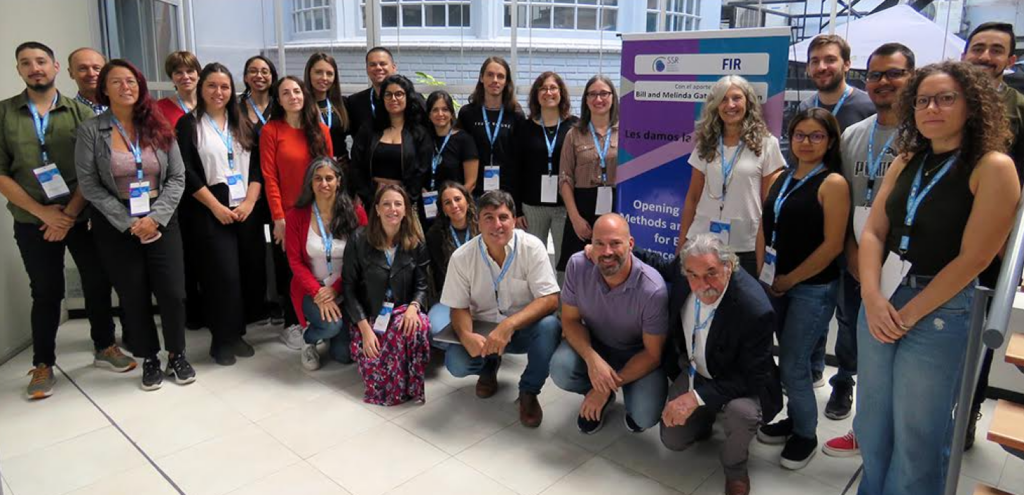
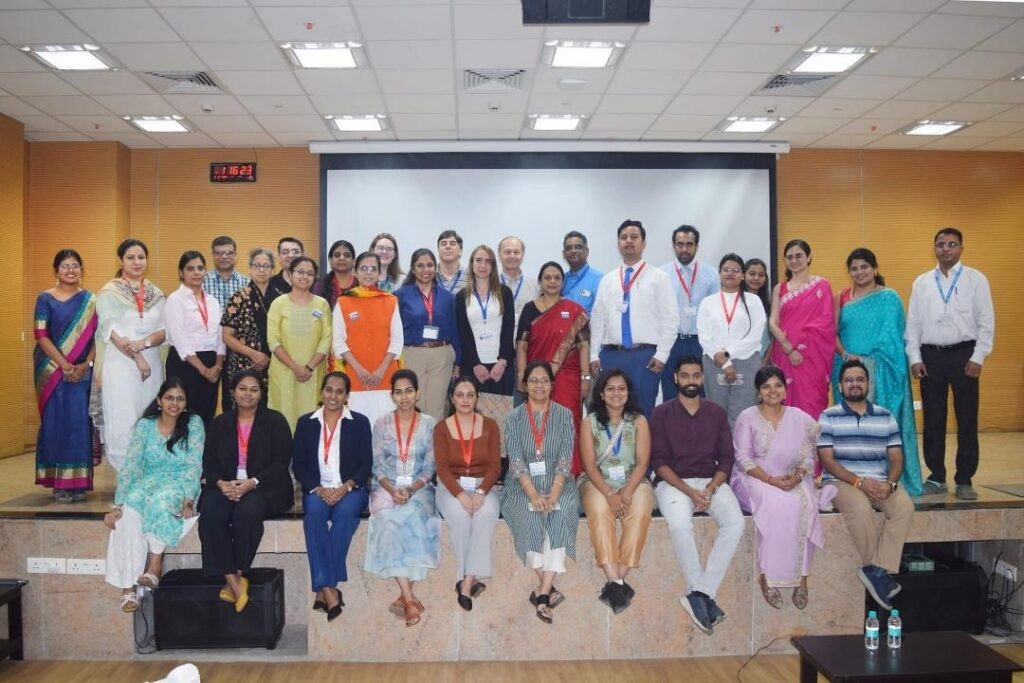
Course testimonials from previous trainees
The training course was well planned, with ample hands-on experience in the lab. The instructors were friendly and always happy to answer any queries. The support personnel were very organised and helpful. All in all, it was a 10/10 experience!
[The ARC Course] met my expectations and even exceeded them. I learned a lot both in the theoretical and practical, which were consistent with the theme of the course, complete and clear. The teachers and assistants were very close, willing to explain/help/discuss with us about results and experiences. The material of the practical guides is very complete and clear; it was of great support during the classes and for our future work.
In this course I met renowned researchers on the subject, with whom I not only interacted during the talks, but who were very open to continue interacting during coffee breaks and breakfasts. The talks were well organized in terms of time and the presentations well put together, were didactic. The professionals were very good at explaining and holding the group’s attention during their presentations. The laboratory practices were very well organized, there was enough staff to advise us at all times.
The course met all my expectations. The theoretical classes were very well prepared and combined with practical classes on the same day. I hoped to learn and have contact with classic reproduction methodologies (oocyte collection, IVF, etc.) and also with frontier issues (super resolution microscopy). The course offered these opportunities, allowing theoretical knowledge to be aligned with practical knowledge. The course also allowed me to interact with researchers from Latin America, an important point to establish future collaborations.
It was an overall very engaging experience, and I was able to communicate with and receive input from a number of distinguished scientists. New theoretical issues and techniques were discussed that I did not know and that I can apply to my project and thus have a better quality job.